

The Breaking News Dilemma in the Age of Curation During a severe crisis, opening a social feed can produce a peculiar psychological disconnect. The screen may be crowded with urgent language, dramatic footage and confident explanations, yet the most recent verified development may be absent. A post from minutes ago can appear beneath commentary from […]

Rethinking the Deadline Interview: How Trauma-Informed Reporting Protects Sources Without Weakening Rigor
Why the High-Pressure Deadline Interview Fails Both Sources and Facts In breaking news, the deadline interview is often treated as a race to extract a usable quote before competitors publish. That instinct is understandable, but it can turn a person who has just survived violence, witnessed death, or suffered a serious injury into a source […]
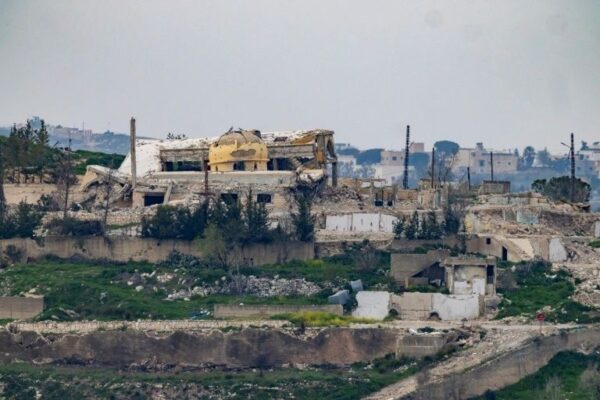
How Satellite Imagery and Metadata Changed Frontline Reporting Forever
The Remote Lens Reshaping Modern War Correspondence War reporting once depended heavily on physical access. Correspondents travelled with military units, waited for official briefings, cultivated local sources, and tried to interpret events through the narrow windows created by censorship, danger, and distance. Today, a newsroom can begin investigating a reported strike within minutes by combining […]

Frame by Frame: How Newsrooms Actually Spot AI-Generated Video
Beyond the Synthetic Panics of the Digital Age Manipulated video can travel around the world before a newsroom has confirmed where it came from, when it was recorded, or whether the apparent event happened at all. A convincing clip may be reposted thousands of times, stripped of its original caption, compressed by several platforms, and […]